Imitrex and Maxalt are both triptans used for established migraine attacks. Imitrex contains sumatriptan; Maxalt contains rizatriptan. The useful question is which treatment gives you dependable relief with acceptable side effects, taking account of the attack pattern and your health. The names alone do not identify a universal winner.
At AV Community Clinic, we review the result of your current treatment before suggesting a change. We ask whether the headache improves, whether normal activity returns and whether pain comes back later. That history often explains more than a simple comparison of the tablet strengths.
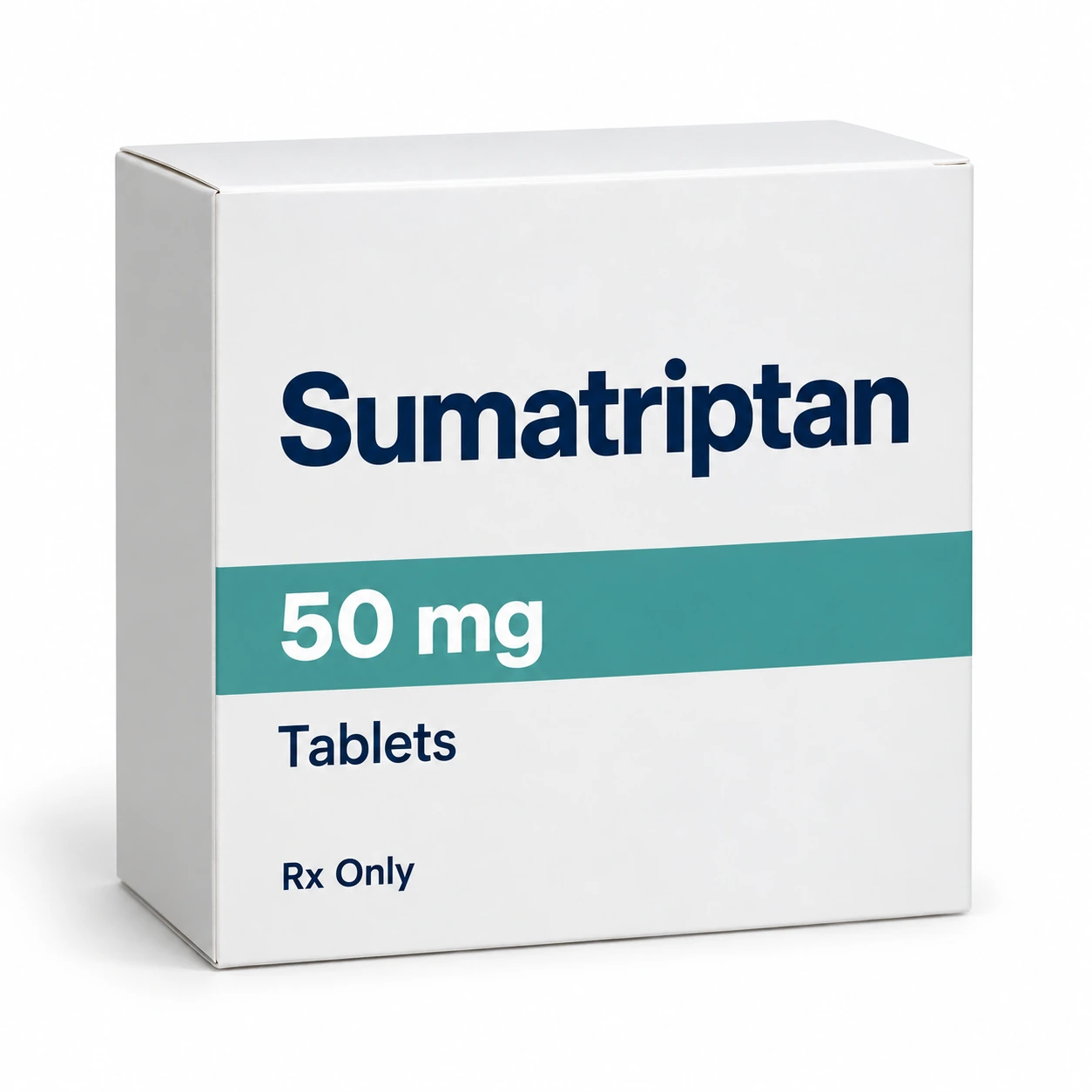
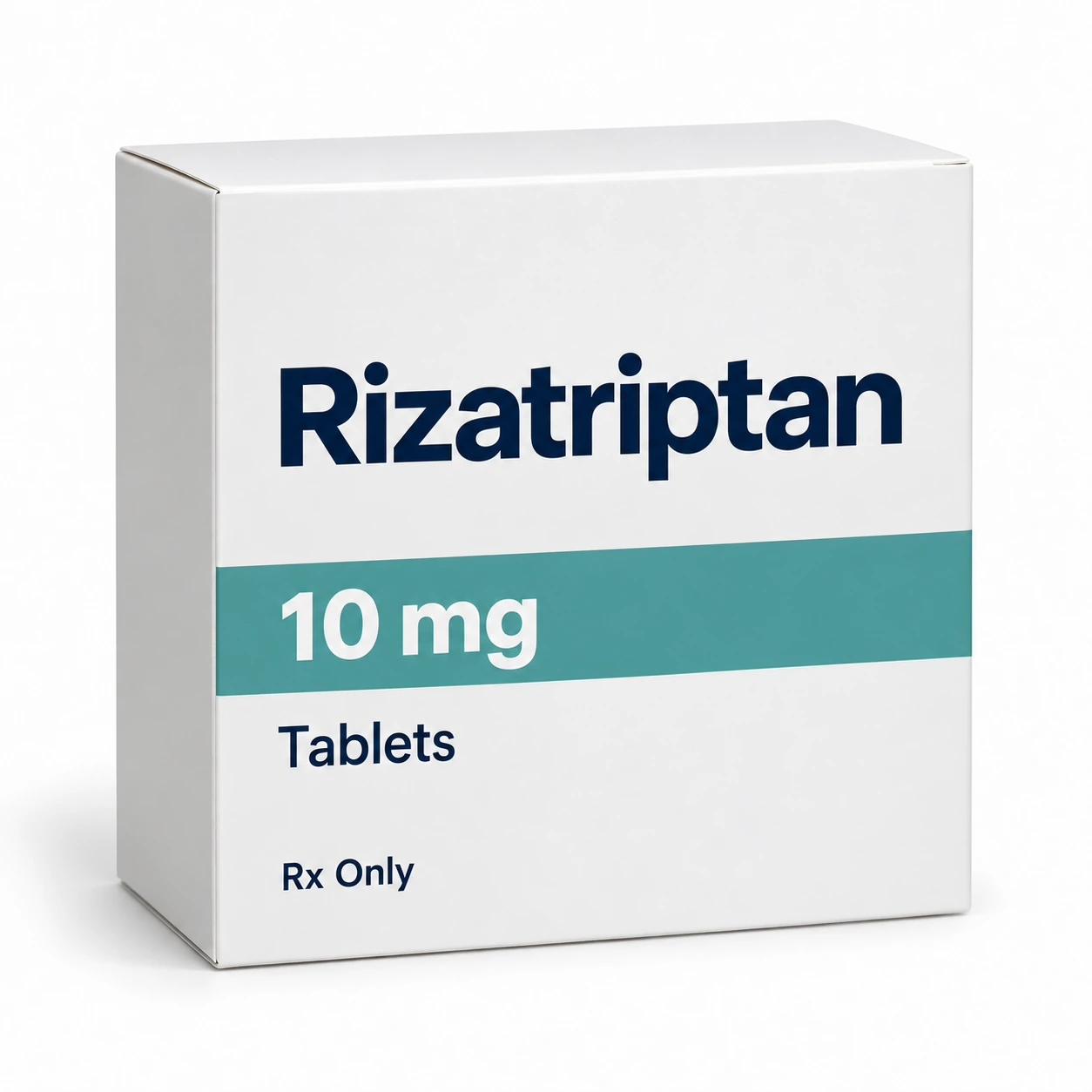
The main differences
| What matters | Imitrex | Maxalt |
|---|---|---|
| Active medicine | Sumatriptan | Rizatriptan |
| Role | Treatment of an established migraine attack | Treatment of an established migraine attack |
| Presentations | Tablets and separate nasal or injection products | Standard and orally disintegrating tablets |
| A particular interaction | MAO inhibitors and other relevant medicines need review | Propranolol requires a lower rizatriptan regimen |
| Taking another triptan | Do not use another triptan within 24 hours | Do not use another triptan within 24 hours |
| Prevention | Not a daily preventive medicine | Not a daily preventive medicine |
This table describes the roles of the medicines, not a dose-conversion chart. A 50 mg sumatriptan tablet is not equivalent to five 10 mg rizatriptan tablets. Each medicine has its own effective range and limits, and the prescribed amount reflects the patient as well as the drug.
What a useful response looks like
Pain relief is important, but we also ask whether you can return to ordinary activity and whether nausea, light sensitivity or other symptoms remain disabling. A medicine that reduces pain briefly but leaves you unable to function may not be meeting the treatment goal. Returning headache later in the day is also relevant.
The timing of treatment can affect what you observe. Tell us when the tablet was taken relative to pain onset and whether vomiting or a very rapid attack made oral treatment difficult. Changing the medicine may help, but another formulation or a better attack plan may be the more useful change.
Bring a record of several typical attacks if possible. One unusually mild or severe episode can give a misleading impression. We do not ask you to keep repeating an ineffective treatment indefinitely, but we need enough context to distinguish a medicine problem from timing, delivery or a change in diagnosis.
Tablets and other formulations
Sumatriptan has separate nasal and injectable products that may be considered when the oral route is unsuitable. Their doses and intervals differ from tablets. A change of route is a new prescribing decision, not permission to add another formulation whenever a tablet has not worked.
Rizatriptan orally disintegrating tablets can be useful for practical administration, but they are not automatically stronger or a solution for severe vomiting and dehydration. They also have ingredient and handling considerations. We confirm the exact presentation rather than assume every product supplied under a familiar brand name is used identically.
- Tell us if vomiting prevents you from keeping tablets down.
- Bring the exact product, strength and dose times used during the attack.
- Describe whether the main difficulty is slow relief, recurrence or adverse effects.
- Mention previous responses to another triptan or route of treatment.
When health and other medicines decide the choice
Both medicines require review of heart and vascular disease, stroke history and uncontrolled blood pressure. A different triptan is not automatically a safe substitute when one is unsuitable because of a cardiovascular contraindication. We may need to discuss another class or further assessment instead.
Propranolol is particularly important with rizatriptan because it increases exposure and changes the appropriate regimen. Tell us about it whether it is used for migraine prevention, blood pressure or another reason. The purpose of the propranolol does not remove the interaction.
Other triptans, ergot medicines, MAO inhibitors and serotonergic medicines also need review. Some combinations are contraindicated, while others require an individual decision and advice about warning symptoms. Do not stop an antidepressant abruptly or add a second migraine medicine independently to make a comparison yourself.
Side effects and the reason for switching
Either medicine can cause dizziness, fatigue, tingling or pressure sensations. Tell us how severe the effects are and whether they prevent recovery after the headache improves. A medicine that is effective at relieving pain but consistently leaves you unable to work or care for yourself may need a different plan.
Significant chest pain, fainting, severe breathing difficulty or a new neurological symptom needs urgent assessment. Do not assume it is an ordinary triptan effect. Agitation or confusion with fever, sweating, tremor, diarrhea or rigidity also requires urgent care because a serious interaction may be involved.
For less severe adverse effects, we review timing, dose, other medicines and alternatives. Some people tolerate another triptan better, but there is no guarantee. The decision should come from your actual response and safety information rather than a claim that one brand is gentler for everyone.
Switching and returning headache
Do not take Maxalt within 24 hours of Imitrex, or Imitrex within 24 hours of Maxalt. The exact last dose time matters. If one has not worked, contact the treating team for the agreed next step rather than layer triptans because the names differ.
If a first dose helps and symptoms return, your own prescription may allow a further dose after an interval and within a daily limit. If the first dose provides no benefit, repeated doses for the same episode should not replace a review. Pediatric instructions differ from adult schedules, and the plan must specify what applies.
We can discuss a switch for future attacks, another route or a different acute strategy. A useful switch plan states which medicine stops, when the alternative can start and what to do if symptoms remain severe. It should not leave you guessing from the tablets left in the drawer.
When prevention matters more than another rescue tablet
Frequent triptan use can contribute to medication-overuse headache. We ask about treatment days across all acute medicines, not only the number of packs collected. Alternating sumatriptan and rizatriptan does not necessarily reduce the concern if acute treatment is still needed repeatedly.
If attacks are frequent or very disabling, prevention deserves discussion. A preventive medicine such as topiramate has a different role and is not an extra rescue dose. We review suitability, goals and adverse effects before recommending a regular preventive regimen.
For your consultation, bring a headache diary, the medicines actually used and a description of the response you want to improve. We can then discuss an acute and preventive plan together, rather than make the next prescription a choice between brand names without addressing the migraine pattern.
Common questions
Is Maxalt always faster than Imitrex?
No single response applies to everyone. Formulation, timing, the attack itself and individual response affect relief. We review how the prescribed product works for you, including whether symptoms return, instead of promise a faster result from the name alone.
Can I compare them during the same attack?
Do not use different triptans within 24 hours. A switch needs an agreed plan for an appropriate later time or future attack. If treatment is failing or the headache is different from usual, seek clinical advice rather than add another triptan.
Which one prevents the next migraine?
Neither is a daily preventive treatment. They treat established attacks. If rescue medicine is needed frequently, we review prevention, diagnosis and medication-overuse risk alongside the choice of acute medicine.