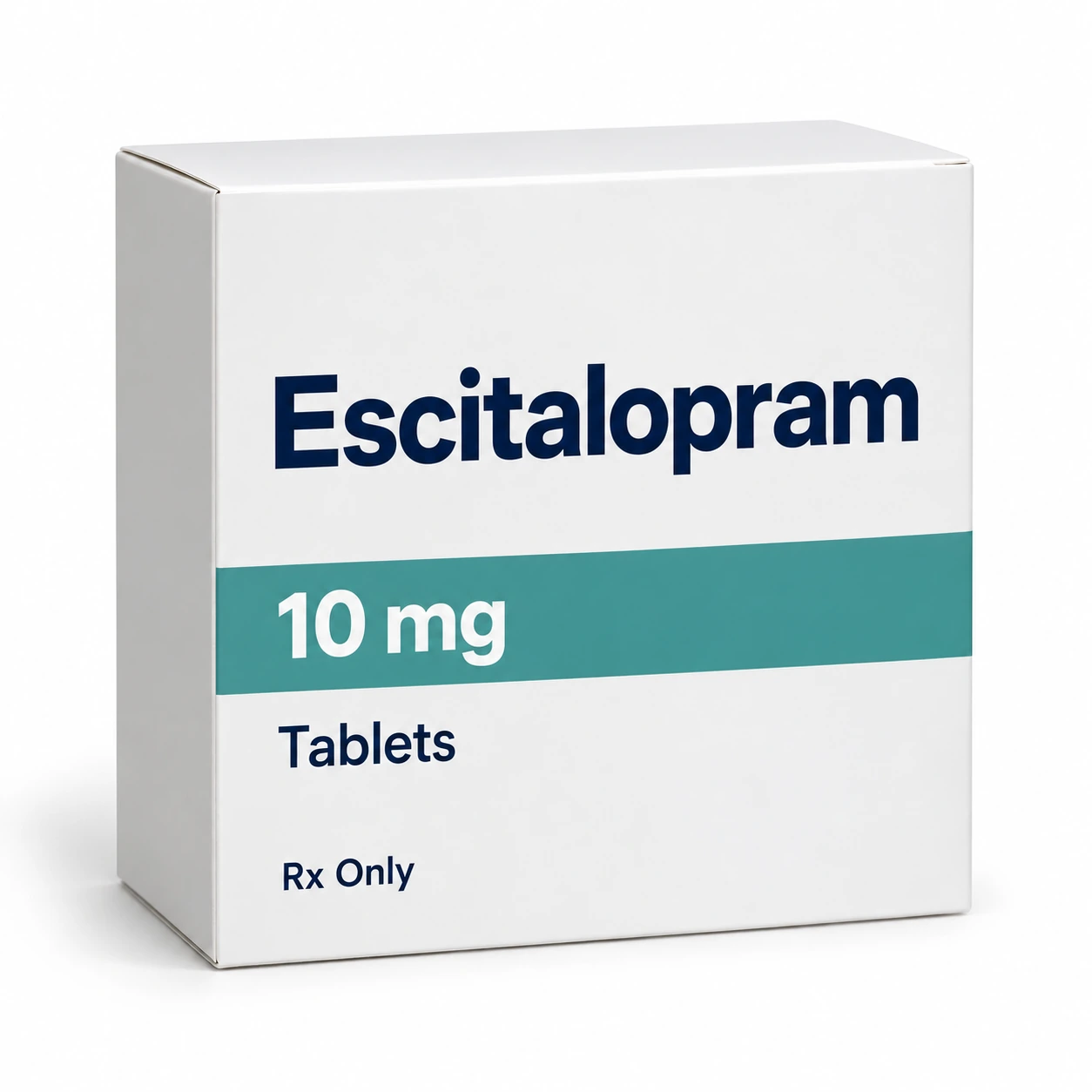
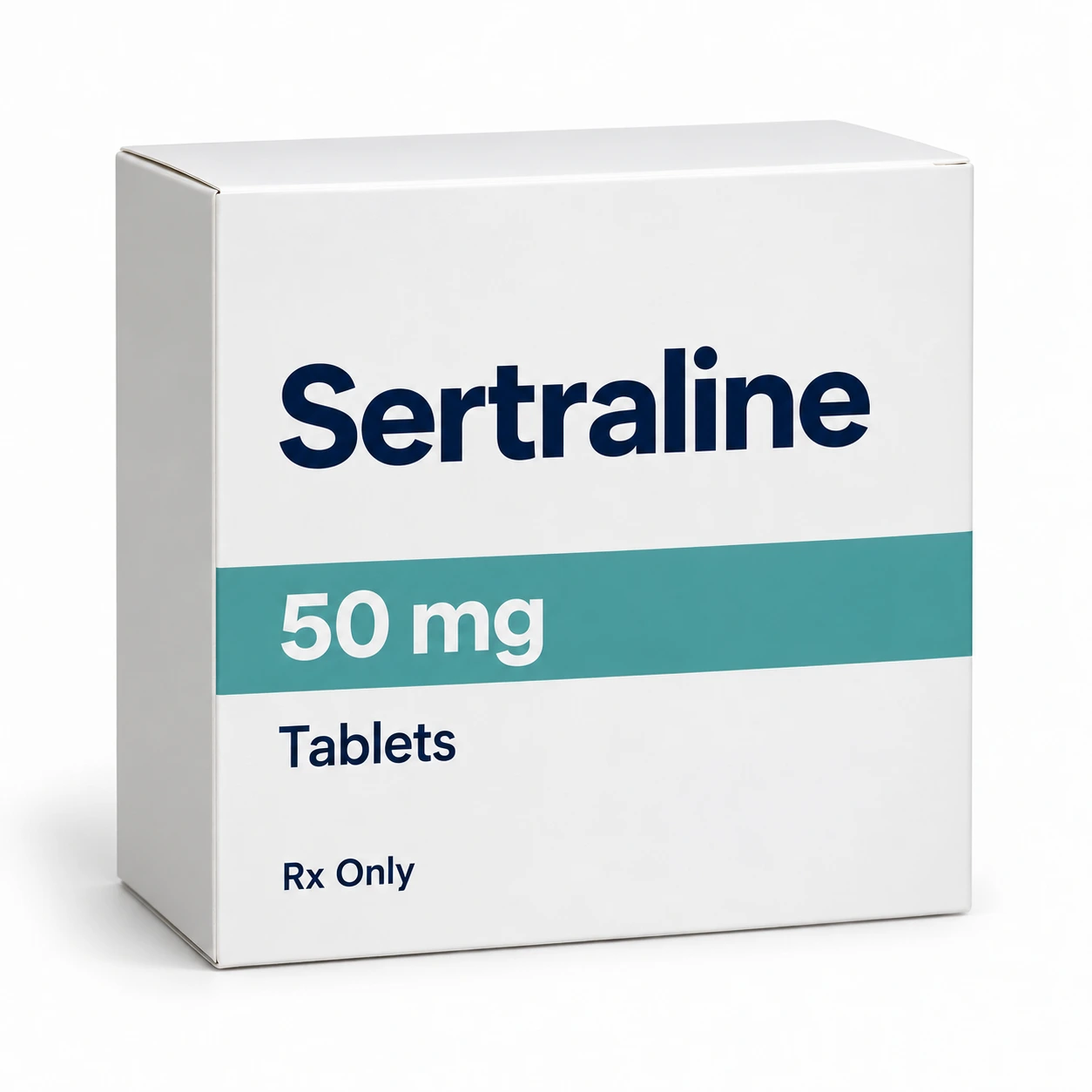
Lexapro contains escitalopram and Zoloft contains sertraline. Both are SSRIs used for selected mental health conditions. They share important benefits and risks, but their indications and dose ranges differ. A choice should reflect the condition being treated and your history, not an assumption that one is the strongest or gentlest antidepressant for everyone.
At AV Community Clinic, we review previous treatment, current symptoms, sleep, sexual health and other medicines before recommending a plan. We also discuss psychological treatment and practical support. Comparing tablets is useful when it helps answer a real treatment question, such as poor response or a side effect that is making regular use difficult.
The main similarities and differences
| What we review | Lexapro | Zoloft |
|---|---|---|
| Active medicine | Escitalopram | Sertraline |
| Class | SSRI | SSRI |
| Common treatment settings | Major depression and generalized anxiety disorder | Major depression, OCD and several specific anxiety-related conditions |
| Routine | Usually taken once daily | Usually taken once daily |
| Early review | Mood, anxiety, sleep and tolerability | Mood, target symptoms, stomach effects and tolerability |
| Sexual effects | Can affect desire, arousal, orgasm or ejaculation | Can affect desire, arousal, orgasm or ejaculation |
| Stopping | A planned gradual reduction may be needed | A planned gradual reduction may be needed |
| Generic option | Escitalopram | Sertraline |
Indications differ by age, and a comparison of adult treatment should not be used to select a child's medicine. The table is also not a dose-conversion guide. A 10 mg escitalopram tablet is not interchangeable with 10 mg of sertraline or a fixed fraction of another strength.
The diagnosis shapes the decision
Persistent worry, panic, trauma symptoms, obsessions and compulsions, and depressive symptoms can overlap but are not identical. We ask which pattern is present and what causes impairment. A medicine chosen for one diagnosis may need a different trial, goal or supporting therapy in another.
Sertraline has a broader set of specific labeled psychiatric indications, while escitalopram is a familiar option for depression and generalized anxiety. That distinction does not establish a universal hierarchy. Prior response, other health conditions, tolerability and the clinical assessment still matter.
If the diagnosis is uncertain, the next step may be further assessment rather than a switch between SSRIs. Possible bipolar symptoms, substance-related problems or another medical cause can change the plan. We review those issues before assuming that a different antidepressant alone will solve persistent symptoms.
Comparing benefit fairly
Both medicines take time to assess. Early changes in sleep or anxiety may occur before broader recovery, and the first difficult days do not necessarily predict the final response. We agree when to review and which changes should prompt earlier contact rather than ask you to wait through concerning symptoms.
Useful outcomes include returning to activities, less avoidance, fewer intrusive symptoms or improved ability to manage daily responsibilities. A symptom score can help, but your experience of functioning matters too. Tell us if worry has improved while sedation or stomach symptoms make ordinary life harder.
Research does not justify promising that one will work better for every individual. Studies use different populations, doses and outcomes. We use evidence alongside your history and response, not as a guarantee that a particular brand will produce a particular result.
Stomach effects, sleep and sexual health
Nausea, diarrhea, sleep changes, sweating or fatigue can occur with either medicine. Sertraline's gastrointestinal effects may be an important practical concern for some patients, while others tolerate it well. A prior reaction is useful information but should be described precisely rather than reduced to a label that all SSRIs are intolerable.
Sexual adverse effects can occur with both. Reduced desire, arousal difficulties or changes in orgasm or ejaculation deserve a direct conversation. Depression, anxiety, relationship circumstances and physical health may also contribute, so we review timing and other factors before attributing the entire problem to the tablet.
Sleep disturbance needs similar care. We consider the underlying condition, dose timing and other medicines rather than automatically add a sleeping tablet. Severe activation, very little need for sleep or an unusually elevated mood requires prompt assessment and may change the diagnosis and treatment approach.
What we need before discussing a switch
- The current medicine, formulation and dose actually taken.
- How long the dose has been maintained and any missed treatment.
- Which symptoms improved and which remain difficult.
- The timing and impact of side effects, including sexual or sleep concerns.
- Other medicines, supplements, pregnancy plans and relevant physical-health changes.
This information helps distinguish an inadequate trial from a treatment that has been used appropriately but is not the best fit. A change may involve adjusting the current plan, switching or adding a different kind of support. It should not be a response to a single difficult day without reviewing the broader pattern.
Switching without creating avoidable problems
Do not overlap, stop or exchange the medicines independently. The appropriate switch considers current dose, treatment duration, discontinuation risk, interactions and symptom severity. A plan should identify which medicine is reduced or stopped, when the new one begins and when review will occur.
Stopping too quickly can cause dizziness, sensory changes, anxiety, nausea or sleep disturbance. These symptoms can resemble a return of the original illness but may need a different response. Tell the prescribing team what happened and when rather than restart or alternate tablets unpredictably.
If the reason for switching is a serious adverse reaction or a safety concern, the immediate plan may differ from an ordinary gradual change. Seek prompt assessment and give the full medicine list. Do not use a general comparison article as a personal taper or cross-taper schedule.
Continuing care after the choice
Once treatment begins, we review benefit and tolerability rather than regard the prescribing decision as complete. The goal is a sustained improvement that you can maintain. Cost, collection difficulties or an inconvenient routine can affect regular use and deserve discussion before they lead to gaps.
The individual medication pages provide product and supply information. A consultation assesses whether a prescription is appropriate and what monitoring or support is needed. Choosing a generic or a particular pack should follow the treatment plan, not determine the diagnosis or dose.
If symptoms remain severe, functioning deteriorates or a crisis develops, another level of care may be needed. We can review the next step and coordinate appropriate support rather than treat every unresolved problem as a choice between these two medicines.
Common questions
Is Lexapro always better tolerated?
No. Individual responses vary, and either medicine can cause troublesome effects. We use previous reactions, health and current response to guide the choice. A comparison cannot guarantee that a switch will remove a particular symptom.
Does a larger Zoloft milligram dose mean stronger treatment?
The dose ranges differ and are not directly comparable. A larger printed number does not establish greater antidepressant strength. We choose a suitable dose for the medicine and condition and review its actual effect.
Can I stop one and start the other tomorrow?
Only with a prescribing plan that says to do so. Switching needs consideration of dose, duration, interactions and discontinuation symptoms. Ask for clear instructions rather than apply a general schedule or overlap leftover tablets.