Ventolin contains albuterol, a short-acting bronchodilator. Symbicort contains budesonide and formoterol, combining an inhaled corticosteroid with a bronchodilator. Their roles are different, and the correct choice depends on the diagnosis and written treatment plan. They should not be exchanged simply because both can improve breathing.
At AV Community Clinic, we review symptoms, exacerbations, current inhalers and technique before changing treatment. We also confirm whether your plan uses a separate reliever or a specifically prescribed budesonide/formoterol reliever strategy. The aim is that you know which inhaler to use and when to get help.
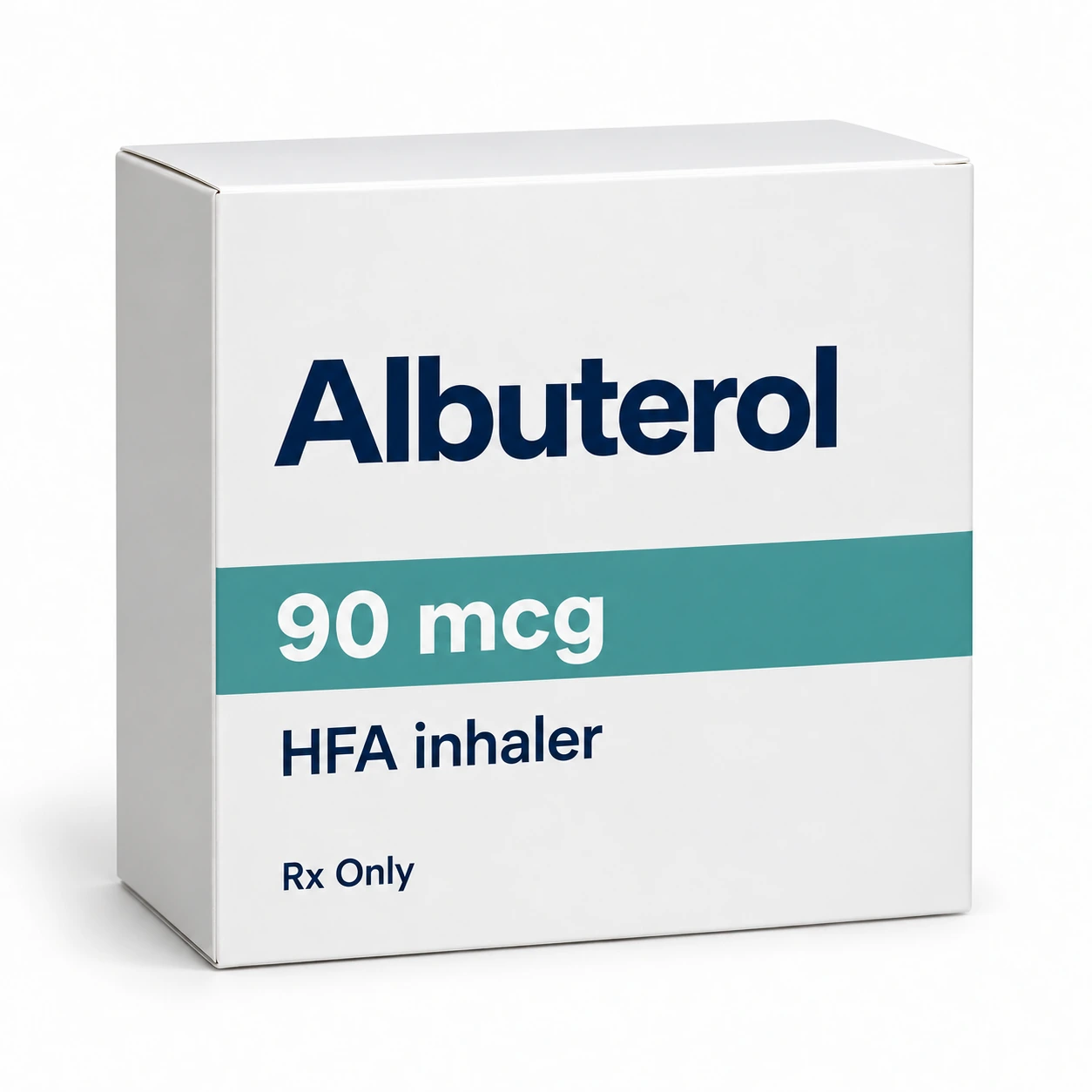
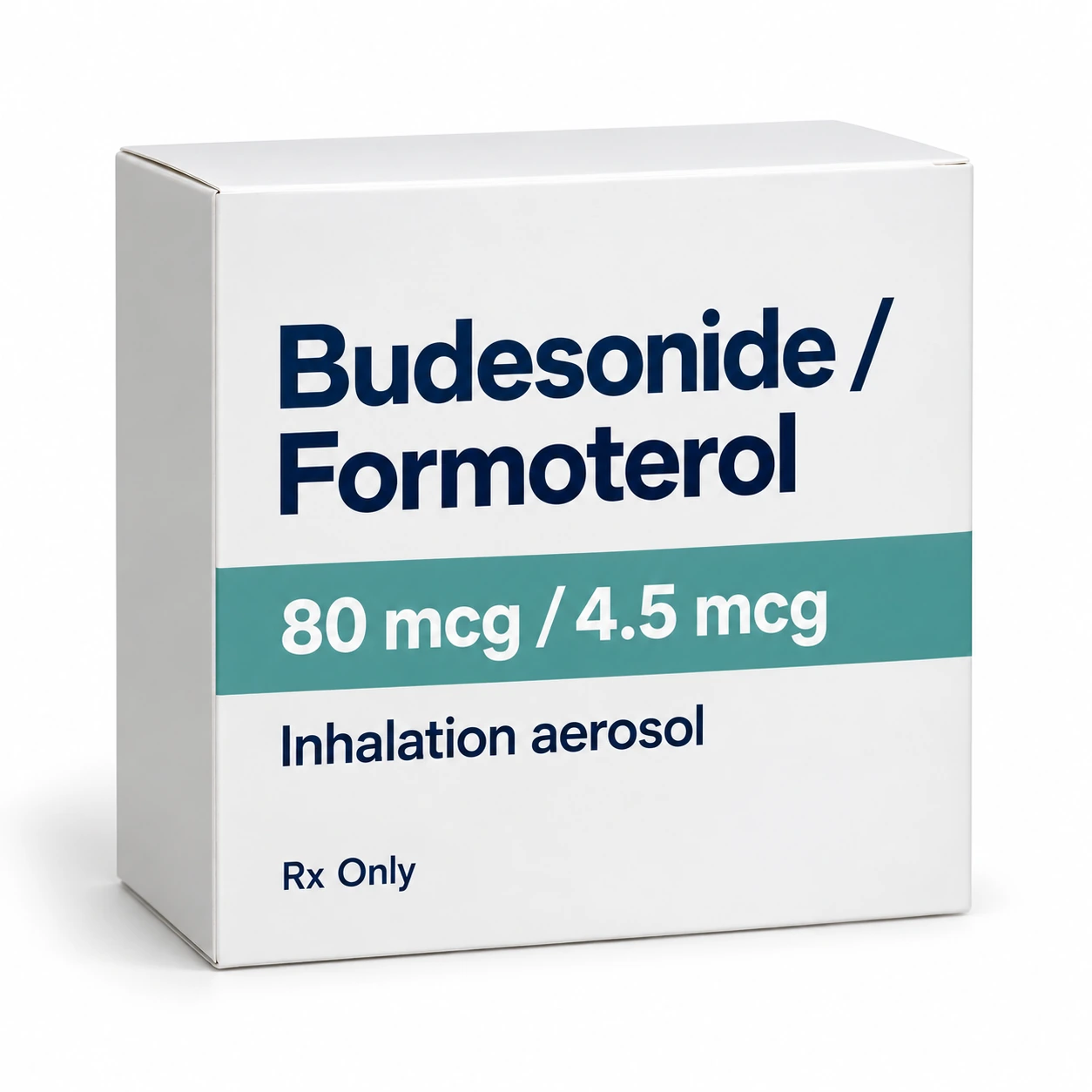
Comparing ingredients and roles
| What matters | Ventolin | Symbicort |
|---|---|---|
| Active medicines | Albuterol | Budesonide and formoterol |
| Inhaled corticosteroid | No | Yes, budesonide |
| Bronchodilator | Short-acting albuterol | Formoterol |
| A common role | Quick symptom relief within an agreed plan | Scheduled maintenance in appropriate asthma or COPD care |
| Asthma reliever use | A separate reliever approach when prescribed | May be part of a specifically prescribed maintenance-and-reliever or other suitable ICS-formoterol plan |
| What extra use can mean | Increasing demand may signal poor control | Increasing reliever demand under the plan also requires review |
| Instructions | Follow the exact device and action plan | Strength, device and treatment strategy must all match the plan |
The table does not give permission to add Symbicort puffs to a maintenance-only prescription. It also does not mean that every person using Ventolin should independently stop it. A change needs instructions for the exact products, doses and limits selected for you.
Why quick relief is not the whole story
Albuterol relaxes airway muscle and can provide rapid relief of bronchospasm. It does not supply inhaled corticosteroid treatment for inflammation. If asthma symptoms keep returning, temporary relief alone may leave the underlying condition inadequately controlled.
Budesonide addresses inflammation, while formoterol provides bronchodilation. That combination can have more than one role in asthma care when specifically prescribed. The clinical advantage of an anti-inflammatory reliever strategy does not remove the need for correct diagnosis, a suitable product and an action plan.
New breathlessness may have causes other than asthma, including infection or heart disease. COPD care also has its own treatment choices and strength requirements. We do not decide between inhalers from a symptom name without considering the condition behind it.
Maintenance-only and maintenance-and-reliever plans
Some prescriptions use a regular controller inhaler and a separate reliever. Others specifically use a suitable inhaled corticosteroid-formoterol product as both maintenance and reliever treatment. These are different strategies and should not be combined informally from separate instructions.
The written plan needs to state the product, strength, regular doses, any permitted additional doses and maximum use before seeking help. Not every corticosteroid combination can be used as an as-needed reliever. In particular, a salmeterol-containing maintenance inhaler should not be assigned a formoterol reliever role.
If your labels and hospital or clinic instructions disagree, ask for clarification before changing use. We can reconcile the plan with the treating team. An inhaler brand alone is not enough information to determine how additional symptom doses should be taken.
What increasing inhaler use tells us
Frequent symptoms, night waking, reduced activity or shorter-lasting relief deserves review. Tell us about urgent care, hospital admissions and oral steroid courses as well as daily puff counts. The pattern can indicate inadequate control even when each individual dose still seems to help.
We check adherence, technique, exposure, infection and other possible contributors before increasing treatment. A blocked mouthpiece, an empty device or a technique mismatch can mimic medicine failure. So can a different diagnosis that has not been reassessed.
- Bring every inhaler, including devices you use only occasionally.
- Bring the latest written action plan and discharge instructions.
- Describe night symptoms, activity limits and additional relief used.
- Tell us about smoking, vaping, work exposures and recent infections.
Technique and product changes
Pressurized aerosols and dry powder devices use different inhalation techniques. A generic substitution may also change the device. Ask for a demonstration rather than combine instructions learned for another product. The dose printed on a carton cannot compensate for medicine that is not delivered correctly.
An appropriate spacer may help with some pressurized inhalers. The device and technique should be checked for your actual prescription. Rinsing and spitting after corticosteroid-containing doses helps reduce local effects such as thrush and hoarseness according to the supplied instructions.
Check counters, expiry and storage. Do not use a canister with an unrelated actuator or assume a spray sensation means the expected dose remains. Request review before running out so that an empty reliever or controller does not create an avoidable gap.
Side effects and duplicate treatment
Bronchodilators can cause tremor, palpitations or headache. Significant chest pain, fainting or a sustained irregular heartbeat needs assessment. Corticosteroid-containing treatment can cause mouth or throat effects and has longer-term considerations in susceptible patients. We review benefit and tolerability rather than assume an inhaler cannot affect the rest of the body.
Do not add another long-acting bronchodilator without review. Overlapping ingredients can be hidden in combination devices with different brand names. Bring the devices themselves so the current plan can be distinguished from older treatment that was meant to stop.
Tell us about beta blockers, rhythm medicines, diuretics and medicines that increase corticosteroid exposure. Pregnancy, eye or bone conditions and relevant infection history also belongs in the review. A previously stable inhaler can need reassessment after another medicine or health condition changes.
When breathing needs urgent care
Severe breathlessness, difficulty speaking, blue lips, marked exhaustion or symptoms that do not improve as the action plan directs needs emergency care. Do not continue repeated unplanned doses while waiting for an online reply. A prescription review is not the appropriate setting for a dangerous attack.
Breathing that worsens immediately after an inhalation also needs prompt assessment for a possible adverse reaction. Follow urgent instructions and do not keep testing the same device if it appears to worsen symptoms. Serious allergy symptoms require emergency help.
After an exacerbation, arrange follow-up even if you feel better. We review what happened, treatment changes, technique and whether the action plan is clear. A hospital supply should connect back to continuing care rather than leave several conflicting inhaler routines at home.
Choosing the next step with our team
We review the diagnosis and treatment strategy before selecting a product. For stable established care, an online consultation may be suitable. New or poorly controlled symptoms can require examination or lung testing, and the next prescription follows that assessment.
If a change is appropriate, we confirm which inhaler continues, which stops and how symptoms should be treated. Product strength, device and quantity are checked before medication purchase. Cost and access matter, but the cheapest device is useful only if it fits the plan and can be used correctly.
Bring questions about activity, travel or caring responsibilities so the routine is practical. The aim is reliable control with instructions you can follow in daily life, including a clear route to urgent help when the situation is different from ordinary symptoms.
Common questions
Is Symbicort always a rescue inhaler?
No. Its role depends on the exact written prescription. Some asthma plans use suitable budesonide/formoterol products for relief, while other prescriptions are maintenance-only with a separate reliever. Do not create extra-dose instructions from the brand name.
Can Ventolin replace anti-inflammatory treatment?
It does not contain an inhaled corticosteroid. We review whether the asthma plan adequately treats inflammation as well as symptoms. Increasing reliance on quick relief is a reason to reassess control rather than abandon controller treatment.
Can I use both whenever symptoms occur?
Only according to a clear plan that specifies their roles and limits. Unplanned combination use can obscure worsening control and add adverse effects. Ask the treating team to reconcile instructions if more than one inhaler has been prescribed by different services.